Foundations
What Are Research Peptides? A Complete Overview
"Research peptides" is a broad term for short chains of amino acids studied in laboratory and preclinical settings. This guide explains what they are and how to evaluate quality — for research and educational reference only.
Peptides, defined
A peptide is a short chain of amino acids linked by peptide bonds — essentially a small fragment of what would, at greater length, be a protein. Peptides occur naturally in biology as signaling molecules, and many can be synthesized for study. In a research context, scientists examine how specific peptides behave in cell cultures and animal models.
Common categories studied in research
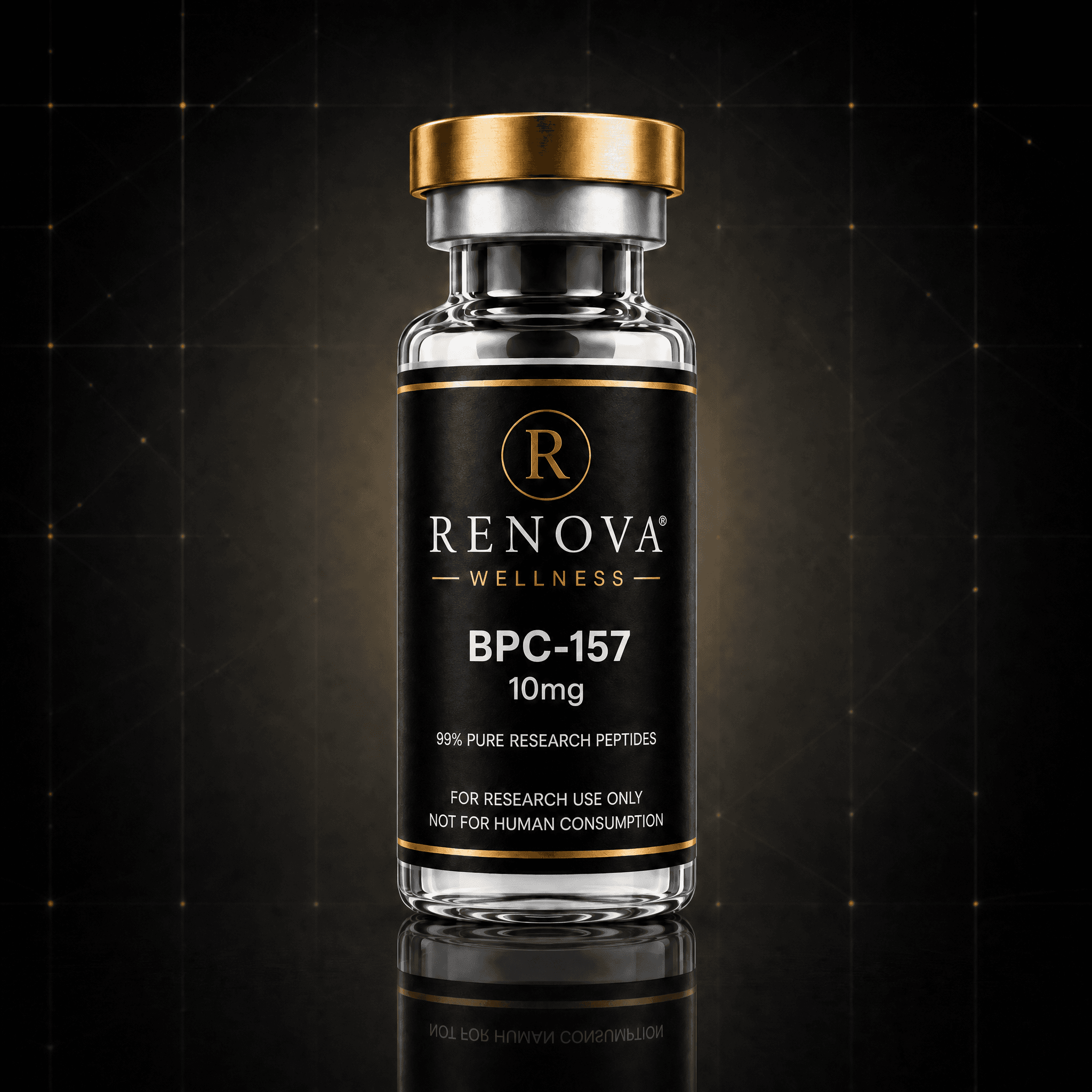
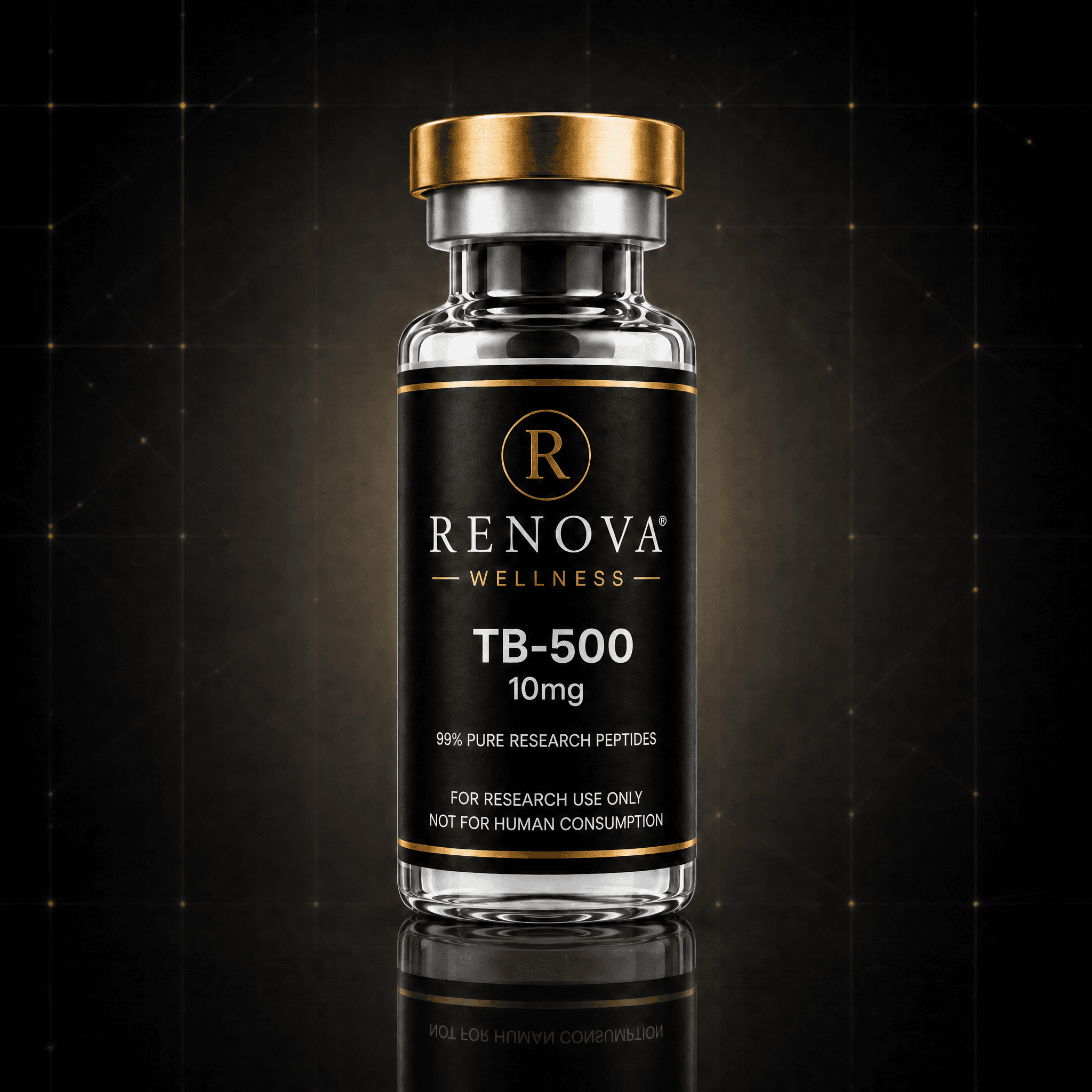
- Tissue-repair peptides — e.g., BPC-157, TB-500, examined in cell-migration and wound-model research.
- Growth-hormone secretagogues — e.g., CJC-1295, Ipamorelin, studied in endocrine signaling research.
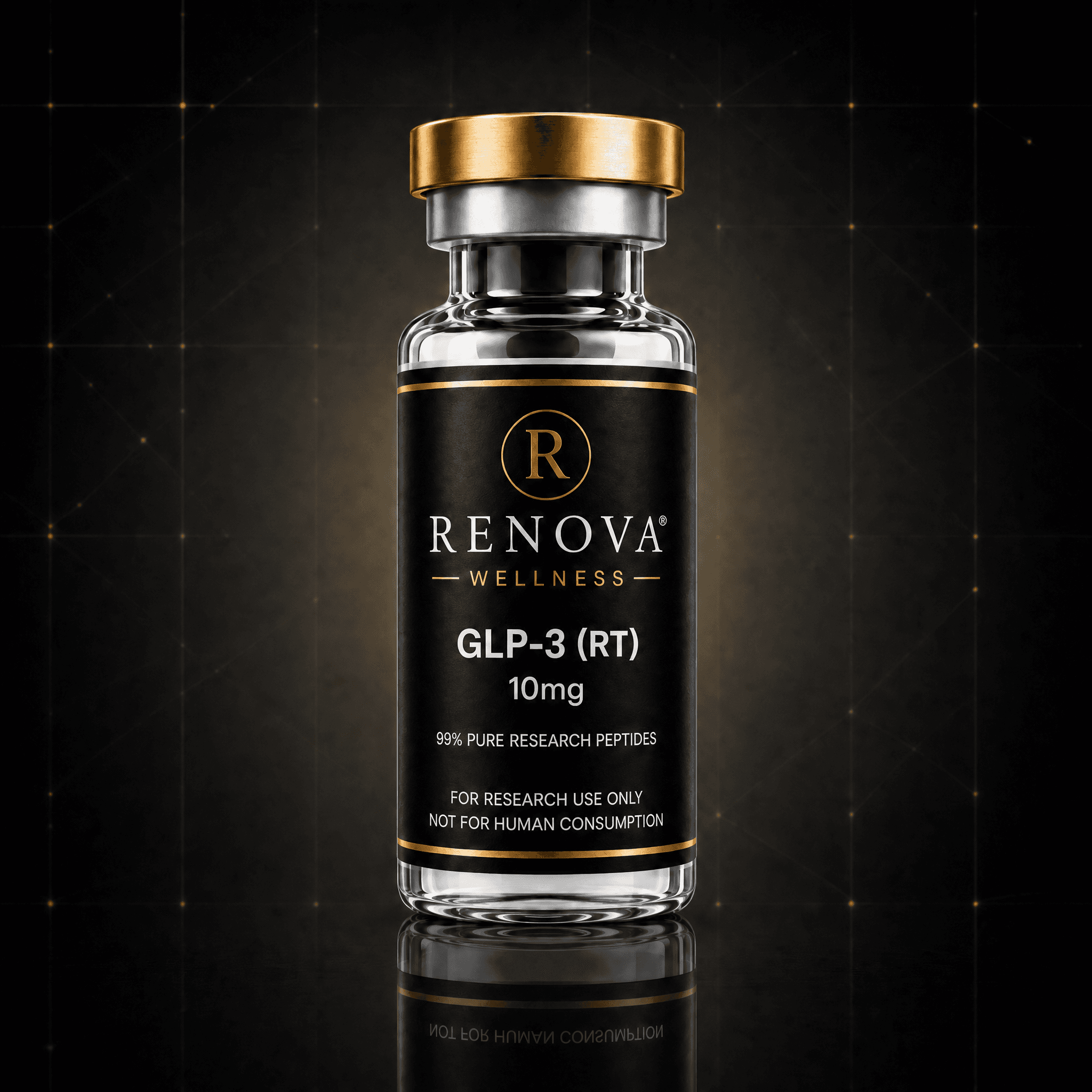
- Metabolic peptides — e.g., Retatrutide (GLP-3), Tesamorelin, examined in metabolic research.
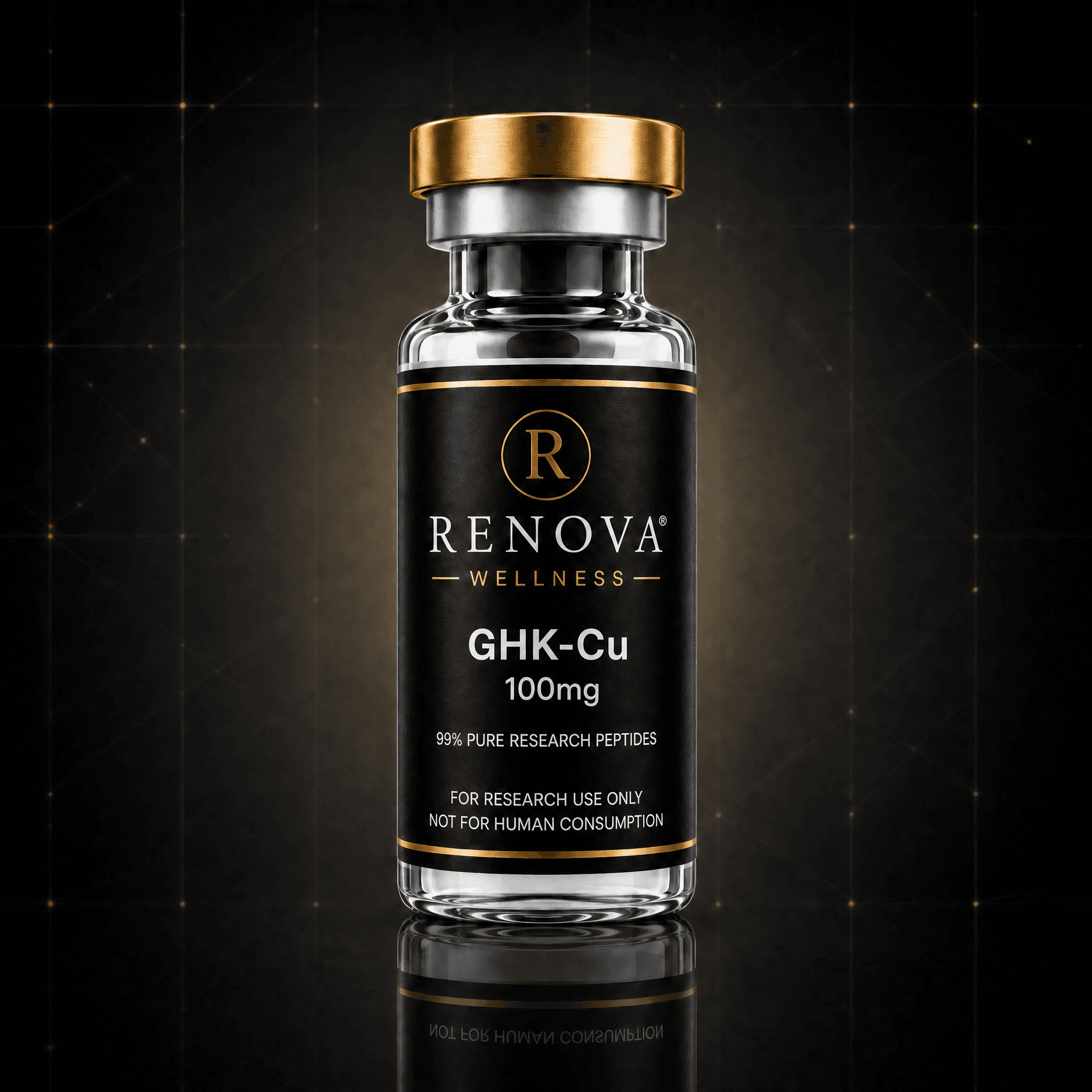
- Dermal/cosmetic-research peptides — e.g., GHK-Cu.
- Longevity/cellular peptides — e.g., NAD+, Epithalon, MOTS-C.
Why purity is everything
Research is only as reliable as the material behind it. Two vials labeled identically can contain very different actual content if a supplier doesn't test. That's why reputable suppliers provide a per-batch Certificate of Analysis with third-party HPLC and mass-spec results. Learn what to look for in our guide to reading a COA.
How to evaluate a research-peptide supplier
- Per-batch COAs, published — not "on request"
- Third-party accredited testing (HPLC + mass spec)
- Clear research-use-only labeling and policies
- Transparent lot tracking (verify your exact vial)
- Responsive support and proper cold/discreet shipping
At Renova, every product publishes its batch COA, and our Verify Your Vial tool lets you confirm any lot independently.
Related Compounds
Shop the Research
Compare
Related comparisons
Keep Reading
Related Research
For Research Use Only · Not For Human Consumption · Renova Wellness™