Foundations
Research Peptides Buyer's Guide (2026)
Sourcing research peptides well comes down to one question you should be able to answer with documents, not adjectives: can you prove what is in the vial? This guide pulls the whole evaluation into one checklist — quality, testing, verification, handling, and price — for research-procurement reference only.
1. Start with the paperwork: per-batch COAs
The most important thing a supplier can give you is a published, per-batch Certificate of Analysis. Not a certificate "available on request." Not one generic PDF reused across every lot. A real COA is tied to the exact lot number printed on the vial you receive, so the material in your hand matches the material that was tested.
A complete COA reports:
- HPLC purity — the percentage of the sample that is the target peptide.
- Mass-spectrometry identity — confirmation the molecule is what the label claims.
- Labeled-vs-actual content — that a "10 mg" vial really contains close to 10 mg.
- Test date and the lab that performed the analysis.
If you only learn one skill from this guide, make it reading a COA. Our walkthrough — how to read a peptide COA — shows exactly what a clean result looks like.
2. Insist on independent, third-party testing
A supplier grading its own homework is not verification. Look for testing performed by an independent, accredited laboratory, using HPLC for purity and mass spectrometry for identity. Third-party results are the difference between a marketing number and a measurement. See why peptide purity matters for how those instruments actually work and what a purity percentage represents.
3. Verify — don't trust
Transparency you can act on beats transparency you have to request. The gold standard is lot-level verification: you enter the lot number from your vial and pull that batch's exact COA. Renova's Verify Your Vial tool does this for every product we sell. A vendor you can independently verify is in a different class from one that asks for your faith.
4. Know the compound before you buy
Understand the research category and what the published literature actually examines — and, just as importantly, what it does not establish. Our research library covers the compounds in plain, cited terms:
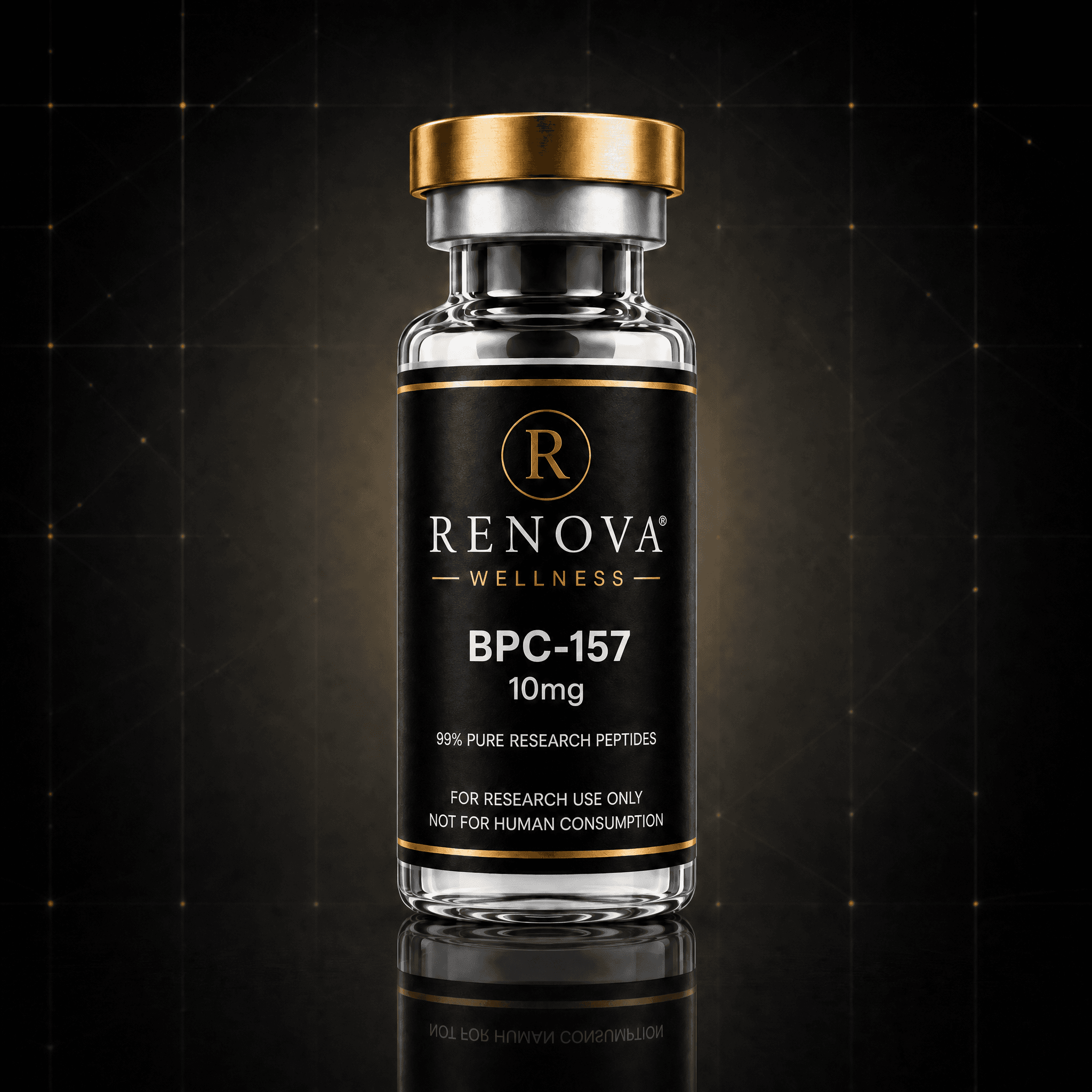
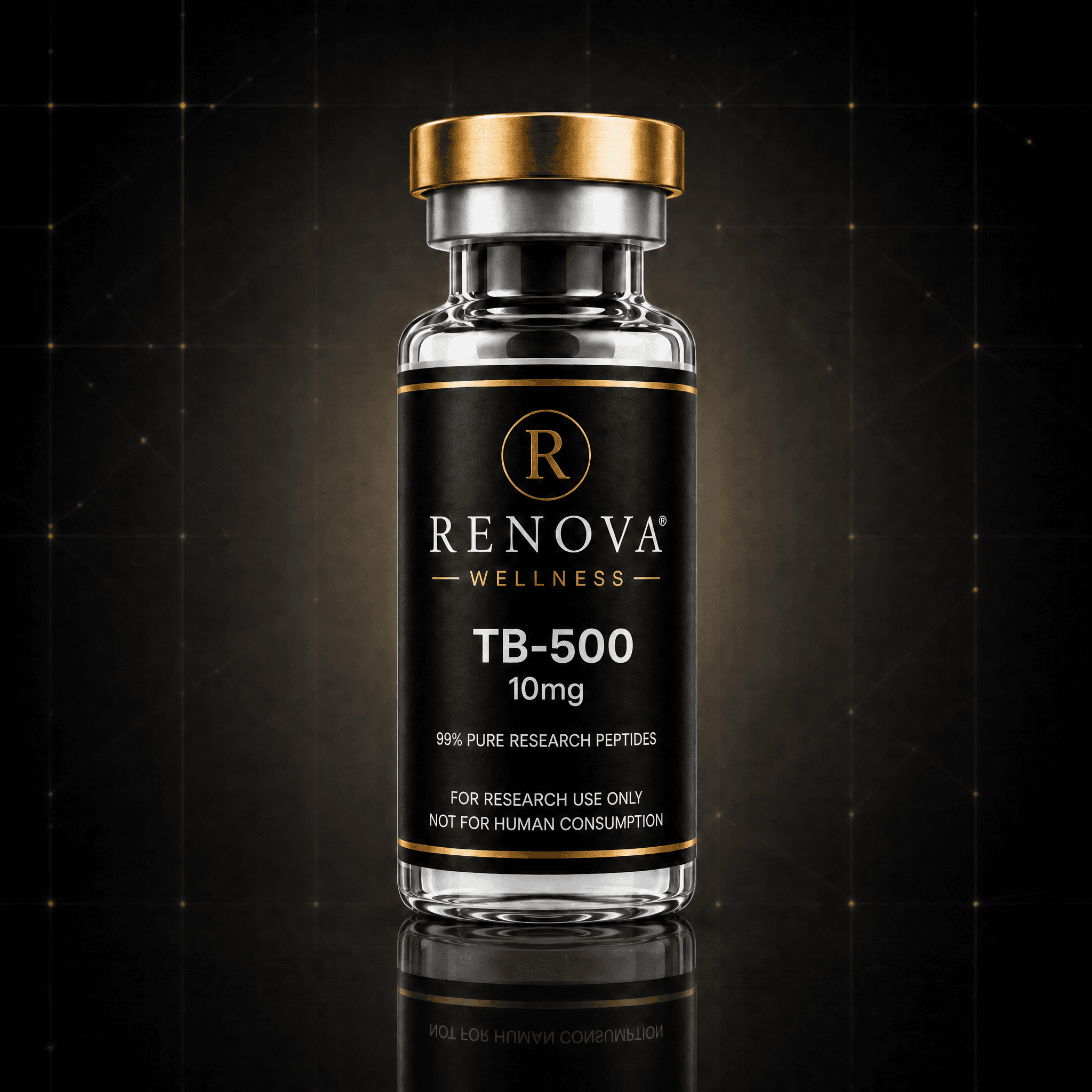
Comparisons help too when you're deciding between two candidates — for example BPC-157 vs TB-500.
5. Plan for handling and storage
Research peptides ship as a lyophilized (freeze-dried) powder for stability, then get reconstituted in the lab. That means you'll also need a diluent. Budget for bacteriostatic water, and read the basics of reconstitution and cold-chain storage before your first vial arrives. Getting concentration right is a calculation, not a guess — our reconstitution calculator does the math for any vial size.
6. Compare on cost-per-mg, not sticker price
Vials come in different strengths, so the headline price is misleading. Convert everything to cost-per-mg — total price divided by total milligrams — for a true apples-to-apples comparison. A "cheap" low-strength vial can quietly cost more per mg than a higher-strength one. Our cost-per-mg calculator makes the comparison in seconds.
7. Evaluate the supplier itself
Product quality and business quality travel together. Run any vendor — including us — through the supplier checklist: published per-batch COAs, named third-party testing, lot traceability, clear research-use-only labeling, discreet and tracked fulfillment, responsive support, and transparent company information.
Red flags to walk away from
- COAs only "on request," or one generic certificate reused across batches.
- No independent lab named — or no testing mentioned at all.
- No lot tracking or way to verify your specific vial.
- Vague purity claims with no chromatogram or documentation.
- Any health, medical, dosing, or human-use claims. These are both a compliance violation and a signal the seller isn't operating as a research supplier.
The Renova standard
Every Renova product is third-party tested with a published batch COA, every lot is independently verifiable, and everything is labeled clearly research-use-only. That's the bar we hold ourselves to — and the one we think every researcher should demand of any supplier.
Questions
Frequently Asked
What should I look for when buying research peptides?
The single most important signal is a published, per-batch Certificate of Analysis (COA) with third-party HPLC purity and mass-spectrometry identity, tied to the exact lot number on the vial. Beyond that: independent lab accreditation, lot-level traceability you can verify yourself, clear research-use-only labeling, and transparent business information. Anything sold with health, dosing, or human-use claims is a red flag.
How can I verify a research peptide is real and pure?
Ask for the per-batch COA and confirm it matches the lot number printed on your vial. A trustworthy COA reports HPLC purity (for example ≥99%), mass-spectrometry identity, and labeled-vs-actual content, plus the test date and lab. Renova publishes every batch COA and lets you look up any lot with the Verify Your Vial tool.
Why is cost-per-mg the right way to compare peptide prices?
Because vials come in different strengths, the sticker price is misleading. Dividing total price by total milligrams gives cost-per-mg, the only apples-to-apples comparison across vendors and sizes. A cheaper vial with less peptide can cost more per mg than a pricier, higher-strength one.
Are research peptides legal to buy?
In the United States, many research peptides are legal to purchase for legitimate in-vitro laboratory and scientific research use only. They are not approved for human or veterinary use, and reputable suppliers label and sell them strictly as research materials — never for consumption.
Related Compounds
Shop the Research
Compare
Related comparisons
Keep Reading
Related Research
For Research Use Only · Not For Human Consumption · Renova Wellness™