Comparisons
BPC-157 vs TB-500: What the Research Shows
BPC-157 and TB-500 are two of the most studied peptides in tissue-repair research, and a natural question is how they differ and why they're so often mentioned in the same breath. This comparison is for research and educational reference only.
At a glance
| BPC-157 | TB-500 | |
|---|---|---|
| Origin | Synthetic pentadecapeptide from a gastric-juice protein sequence | Synthetic fragment related to Thymosin Beta-4 (Tβ4) |
| Size | 15 amino acids | Short Tβ4-derived fragment |
| Research focus | Tendon/ligament cell models, angiogenesis, gastrointestinal research | Actin regulation, cell migration, wound models |
| Reported character | Notably stable in laboratory conditions | Studied for cell-migration-related processes |
| Form | Lyophilized powder | Lyophilized powder |
How they differ in the research
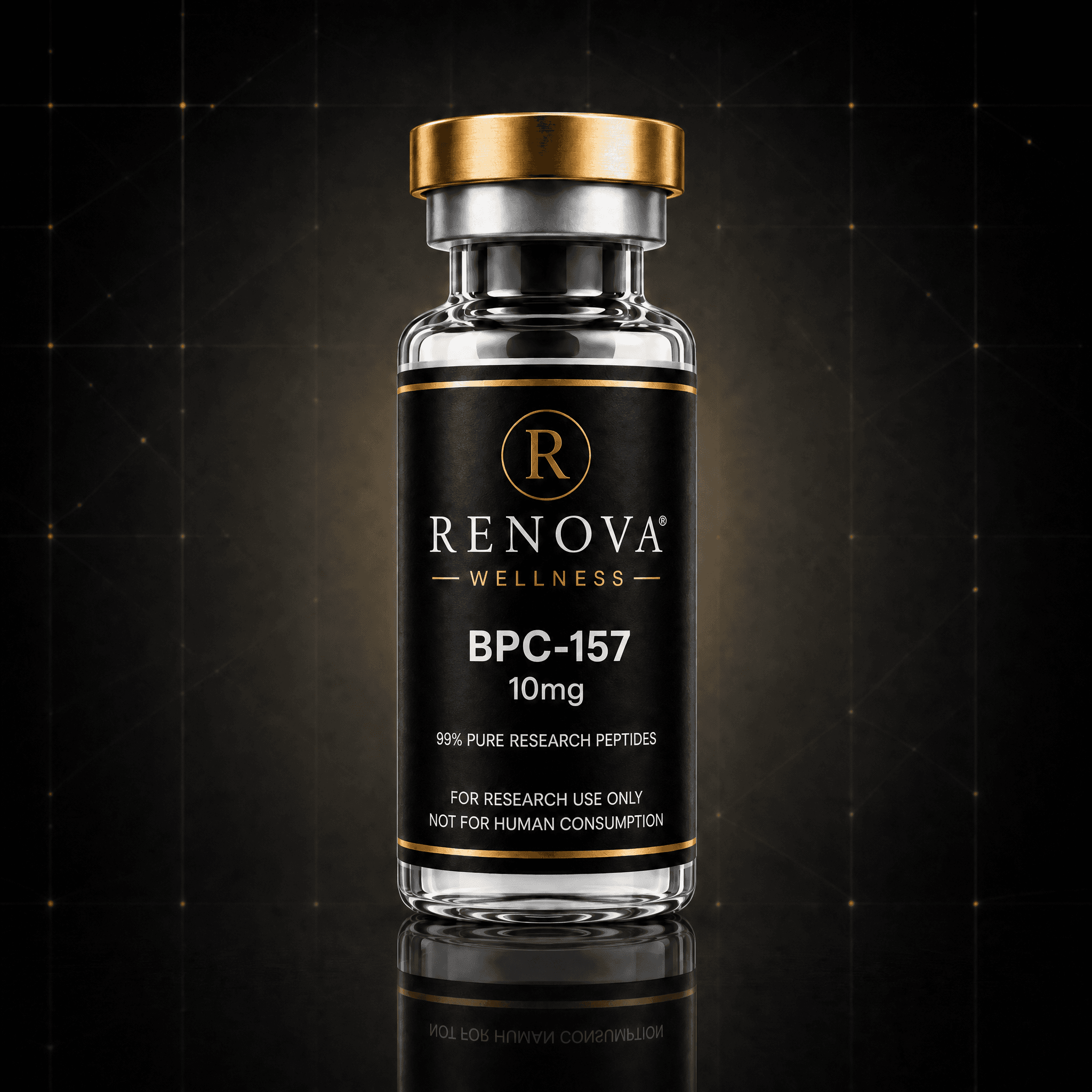
BPC-157 ("Body Protection Compound-157") is a synthetic pentadecapeptide derived from a partial sequence of a protein found in gastric juice. Its published record is overwhelmingly preclinical — cell and animal models — and centers on localized tissue and gastrointestinal research, along with pathways such as VEGFR2-related angiogenesis. Investigators frequently describe its behavior as modulatory: it appears to influence an existing repair process rather than force a single target.
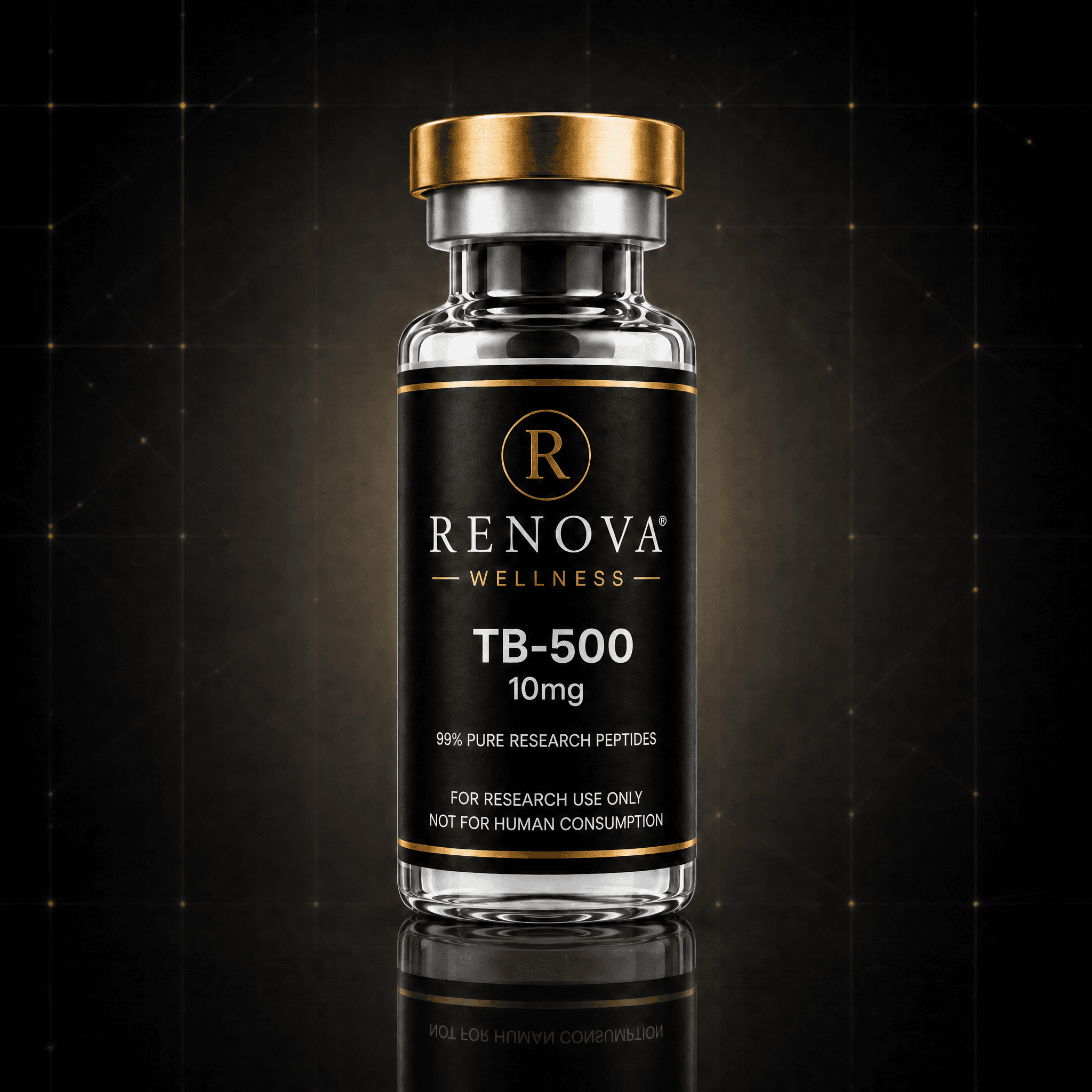
TB-500 is a synthetic fragment related to Thymosin Beta-4, a naturally occurring peptide involved in actin regulation. TB-500 research centers on cell migration and the cytoskeletal processes relevant to broader tissue repair. Where BPC-157 work often looks at localized tissue and gut models, TB-500 work leans toward the mechanics of how cells move and reorganize during repair.
Both bodies of work are preclinical, and neither establishes human outcomes — a point both of our deeper guides make plainly.
Why they're often studied together
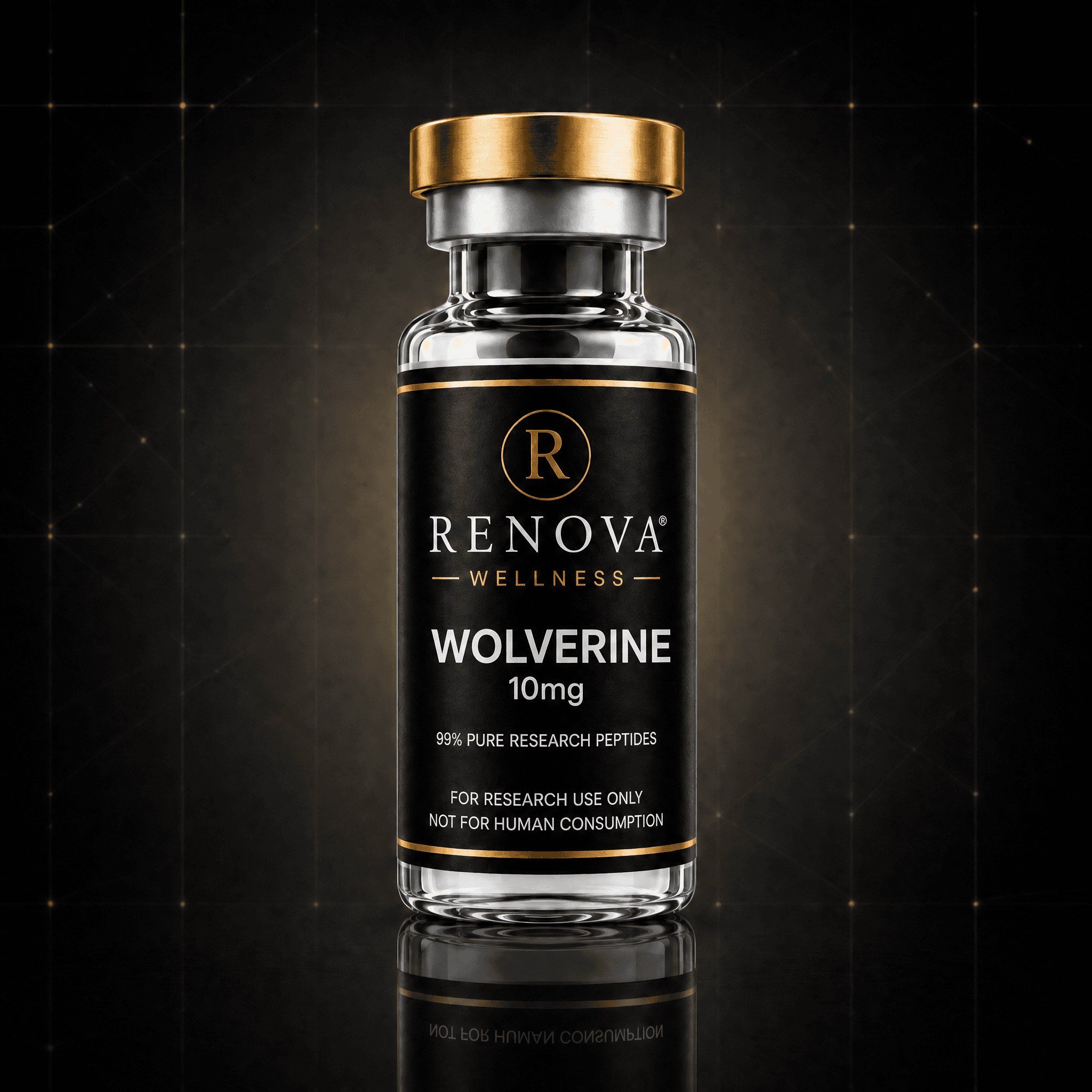
Because the two are associated with complementary repair-related pathways in preclinical work — BPC-157 with localized tissue and angiogenesis processes, TB-500 with cell migration via actin regulation — researchers frequently reference them together. That complementarity is the rationale behind the combined Wolverine research blend (BPC-157 + TB-500), which pairs the two most-studied compounds in recovery-research programs into a single research material. This is research framing, not a human-use recommendation.
Handling: the same at the bench
Practically, the two are handled identically. Both ship lyophilized and are reconstituted with bacteriostatic water before laboratory use, then refrigerated (2–8°C) and protected from light. Concentration is a calculation for either compound — our reconstitution calculator handles any vial size.
What matters most: verified quality
Comparing two compounds only makes sense when you can trust what's in each vial. A purity or identity difference between vendors will swamp any subtle difference between the peptides themselves. Both Renova BPC-157 and TB-500 publish per-batch third-party COAs — HPLC purity and mass-spec identity — and you can verify any lot yourself with Verify Your Vial. See why purity matters for why that's the real deciding factor.
Which to study?
Neither is "better" — they're studied for different processes, so the research question decides. If your interest is localized tissue and gastrointestinal models, the literature points toward BPC-157; if it's cell-migration mechanics, toward TB-500; and the two are frequently examined together for their complementary pathways. Read the full guides before choosing: What is BPC-157? and What is TB-500?.
Questions
Frequently Asked
What is the difference between BPC-157 and TB-500?
They differ in origin and the pathways studied. BPC-157 is a synthetic pentadecapeptide (15 amino acids) derived from a gastric-juice protein sequence, studied largely in localized tissue, tendon/ligament, and gastrointestinal models and angiogenesis pathways. TB-500 is a synthetic fragment related to Thymosin Beta-4, studied in the context of actin regulation and cell migration relevant to broader tissue repair. Both are research-use-only compounds, not for human or animal use.
Why are BPC-157 and TB-500 often used together?
In preclinical research the two are associated with complementary repair-related pathways — BPC-157 with localized tissue and angiogenesis processes, TB-500 with cell migration via actin regulation. That complementarity is the rationale behind the combined Wolverine research blend (BPC-157 + TB-500). This describes research framing only, not any human-use recommendation.
Which is better, BPC-157 or TB-500?
Neither is 'better' in a research context — they're studied for different processes, so the right choice depends on the research question. What matters more than the choice is verified quality: both should ship with a per-batch third-party COA you can check by lot number, which Renova provides for each.
Related Compounds
Shop the Research
Compare
Related comparisons
Keep Reading
Related Research
For Research Use Only · Not For Human Consumption · Renova Wellness™