Comparisons
The GLOW Stack Explained (Research)
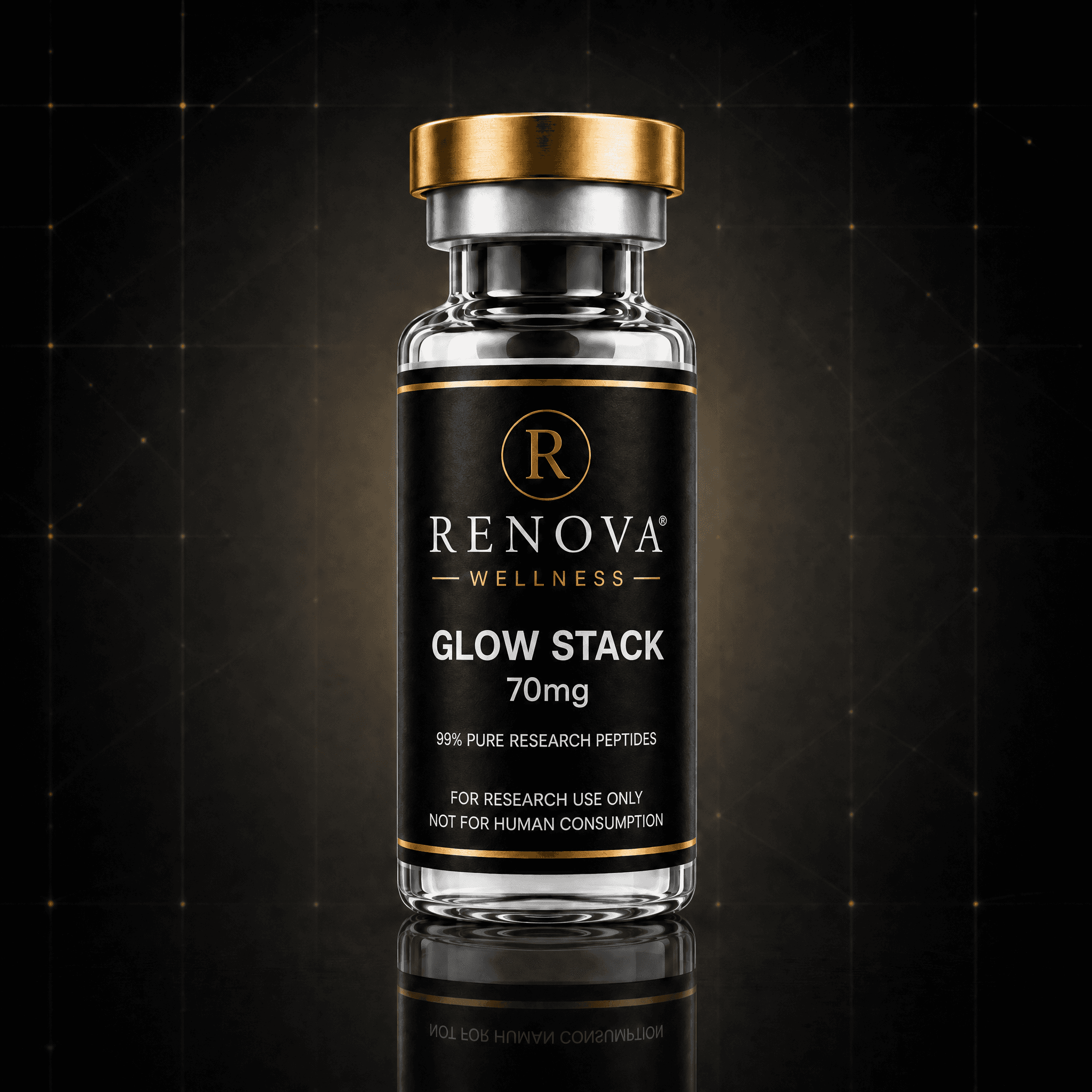
The GLOW stack brings together three of the most studied repair- and dermal-research peptides in a single research blend. Here's what's in it — for laboratory reference only.
What's in the GLOW stack
The GLOW research blend combines:
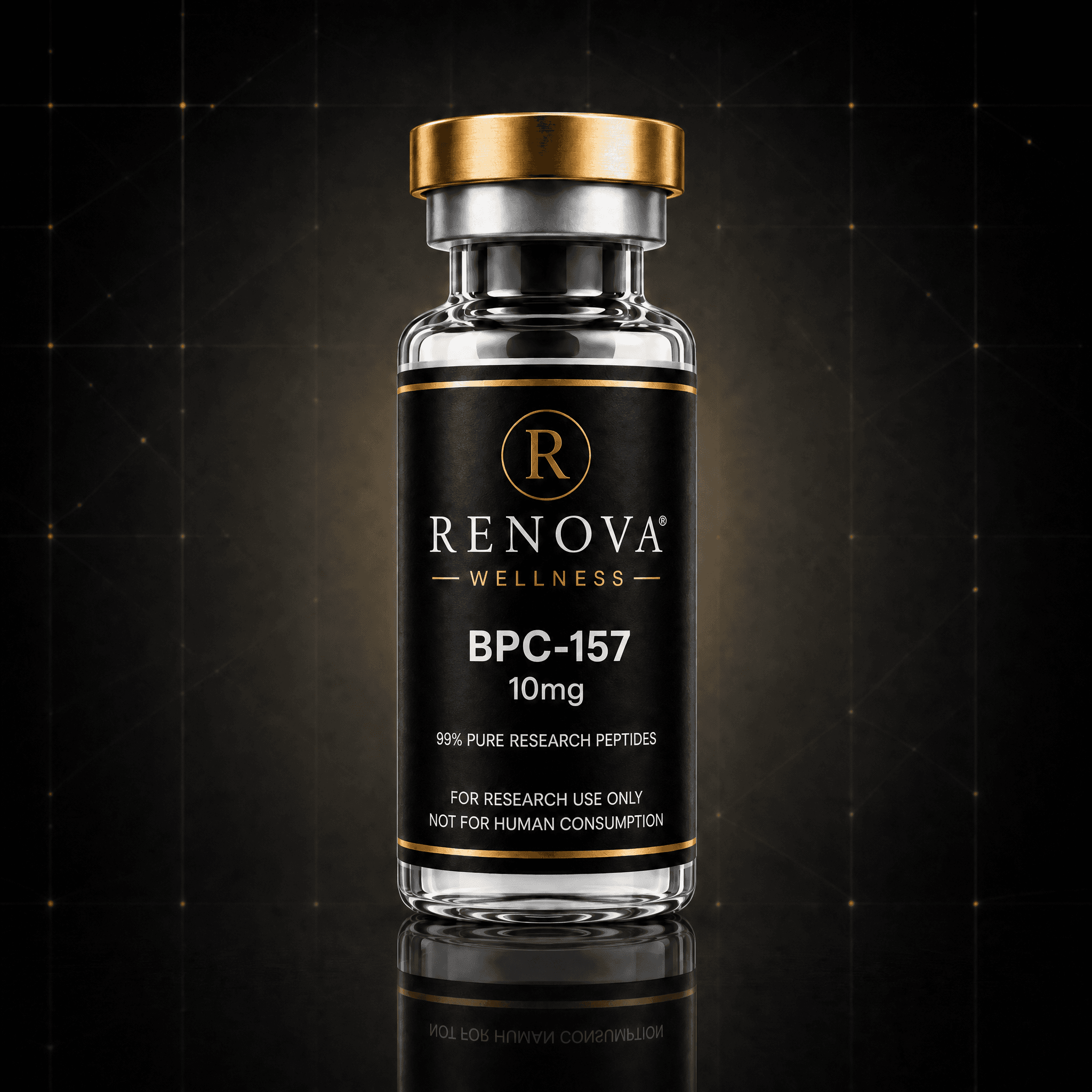
- BPC-157 — tissue-repair research
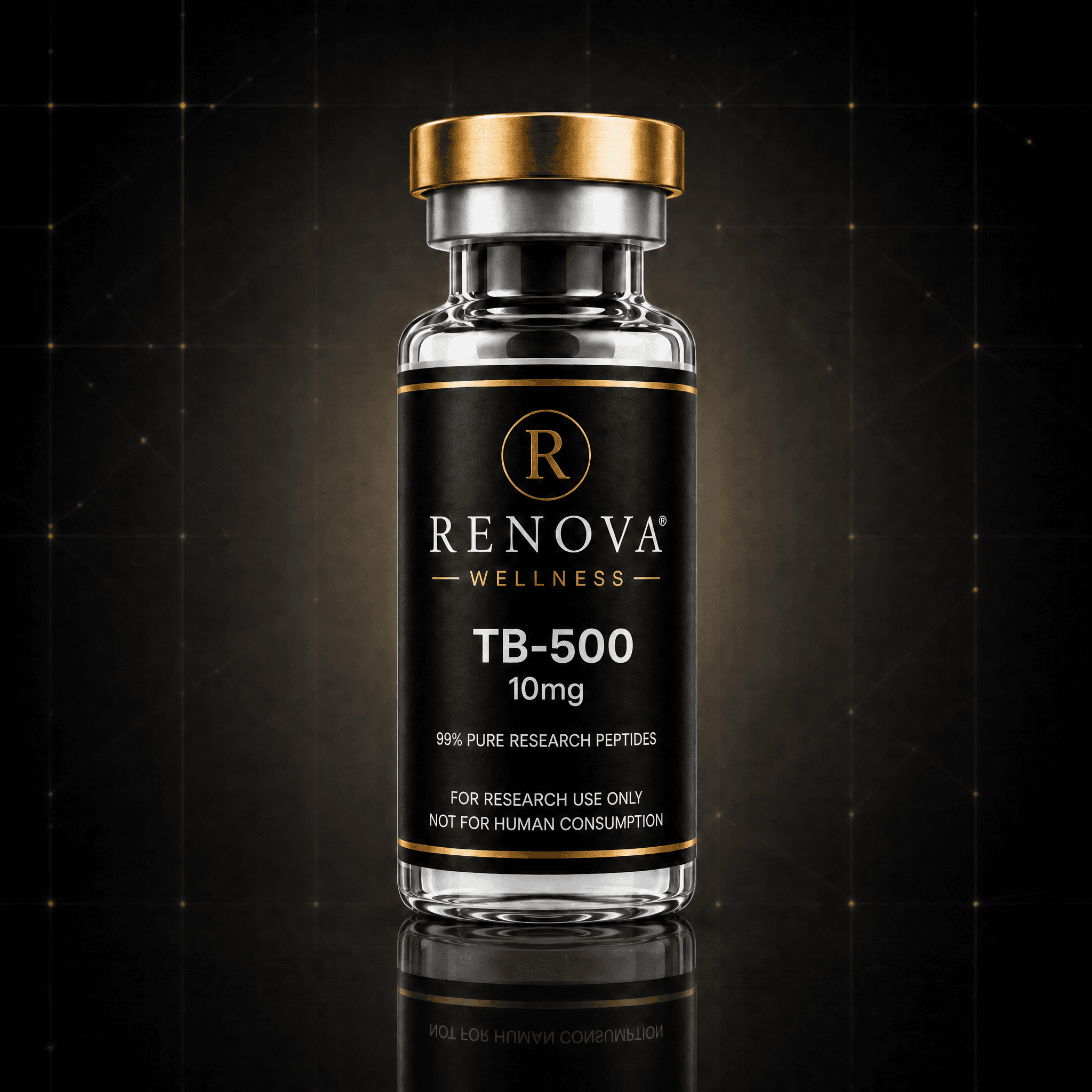
- TB-500 — cell-migration research
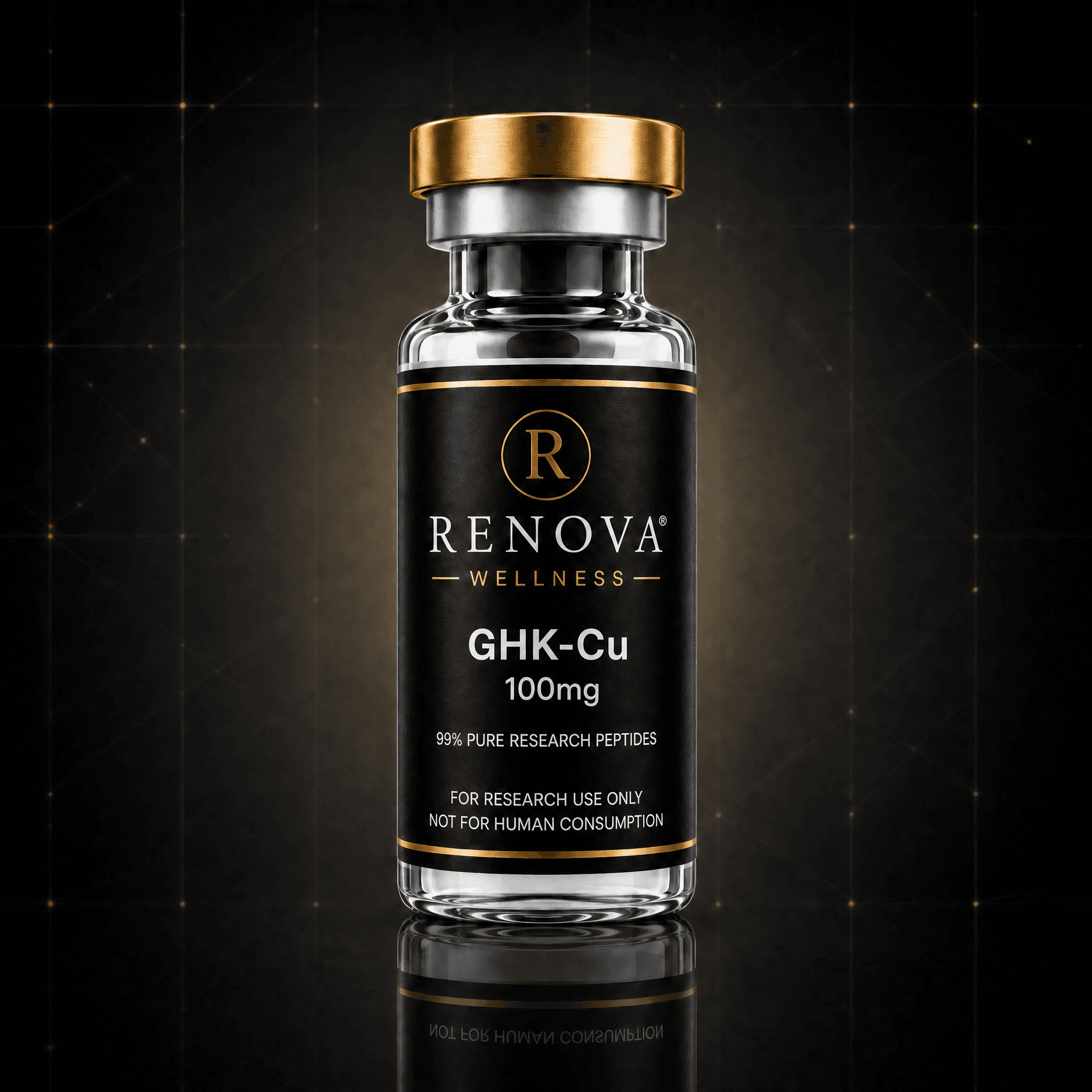
- GHK-Cu — dermal / extracellular-matrix research
What "stacking" means in research
A "stack" is simply a combination of compounds prepared or studied together rather than one at a time. In research settings, blends are used when investigators want to examine compounds that act on related but distinct pathways side by side, or to standardize a single preparation across a set of experiments. A stack is a convenience and a hypothesis — not evidence that the combination behaves like the sum of its parts. The GLOW stack packages three separately studied peptides into one vial; the sections below summarize what the literature says about each, and where the evidence stops.
Why these three together
Each component is associated with complementary repair- and skin-related pathways in preclinical work, which is why researchers reference them together. The blend reflects that common combination.
What the research on each component shows
The primary literature studies each ingredient individually, not the specific GLOW combination — so the rationale for the blend is a composite of three separate research threads:
- BPC-157 — a gastric peptide studied in animal models of tendon, muscle, and gut-tissue repair and for modulated angiogenesis.1
- TB-500 — the thymosin-β4 fragment, whose classic finding is accelerated reepithelialization in a wound-healing model.2
- GHK-Cu — the copper tripeptide studied for stimulating collagen synthesis in fibroblasts3 and connective-tissue accumulation in vivo,4 and summarized in gene-level reviews as a broad regenerative modulator.5
Grouped, the three map onto complementary repair- and skin-related pathways, which is why researchers reference them together.
An important caveat about blends
Because the published research examines these compounds separately, there is no controlled study of the GLOW combination itself — its rationale is inferred from the component literature, not demonstrated for the mixture. Renova makes no human-use or efficacy claims for the blend or its parts; the value is a single research preparation with a per-batch COA covering its contents.
GLOW vs KLOW
Researchers comparing dermal/repair blends will also encounter KLOW, which adds a fourth component — KPV, an α-MSH fragment studied for anti-inflammatory signaling — to the same GHK-Cu / BPC-157 / TB-500 base. Put simply: GLOW is the three-peptide repair-and-dermal blend; KLOW extends it with an inflammation-focused arm. Both are studied as composites of their separately characterized parts, and the same "no controlled study of the combination itself" caveat applies to each.
Handling a blend in the lab
Because all components are supplied together as a single lyophilized preparation, the blend is reconstituted once with bacteriostatic water and refrigerated (2–8°C), rather than mixing three separate vials. The per-batch Certificate of Analysis covers the blend's contents, verified by HPLC. See our reconstitution and storage guides for concentration math and cold-chain handling — this describes laboratory handling of a research-only material.
Why researchers use a pre-made blend
Preparing a three-component mixture by hand introduces variables — measuring each peptide, fixing the mixing ratios, and repeated freeze-thaw of separate vials — that can undermine reproducibility. A pre-made, single-vial blend standardizes the ratio across experiments and reduces handling steps, which is one practical reason blends are used in research even though the underlying evidence remains component-by-component. It also means a single reconstitution and a single Certificate of Analysis rather than three of each. The trade-off is flexibility: a fixed blend cannot be re-balanced the way three separate vials can, so researchers who need to vary one component independently still reach for the individual compounds.
Reading a blend's Certificate of Analysis
Verifying a multi-component preparation differs from verifying a single peptide. A blend's COA reports identity and purity by HPLC and mass spectrometry, and the lot number ties that certificate to the exact vial in hand. When evaluating any blend, researchers look for three things: that each intended component is present, that measured purity meets the stated specification, and that the test date and lab are named. For the mechanics of interpreting these documents, see How to Read a Peptide COA; to confirm a specific lot, use Verify Your Vial.
Verified quality
The GLOW blend ships with a per-batch third-party COA. Confirm your lot with Verify Your Vial.
References
-
Chang C-H, et al. The promoting effect of pentadecapeptide BPC 157 on tendon healing. J Appl Physiol. 2011. PMID: 21030672. ↩
-
Malinda KM, et al. Thymosin beta4 accelerates wound healing. J Invest Dermatol. 1999;113(3):364–368. PMID: 10469335. ↩
-
Maquart FX, et al. Stimulation of collagen synthesis in fibroblast cultures by the tripeptide-copper complex glycyl-L-histidyl-L-lysine-Cu²⁺. FEBS Lett. 1988;238(2):343–346. PMID: 3169264. ↩
-
Maquart FX, et al. In vivo stimulation of connective tissue accumulation by the tripeptide-copper complex glycyl-L-histidyl-L-lysine-Cu²⁺ in rat experimental wounds. J Clin Invest. 1993;92(5):2368–2376. PMID: 8227353. ↩
-
Pickart L, Margolina A. Regenerative and Protective Actions of the GHK-Cu Peptide in the Light of the New Gene Data. Int J Mol Sci. 2018;19(7):1987. PMID: 29986520. ↩
Questions
Frequently Asked
What is in the GLOW stack?
The GLOW research blend combines three separately studied peptides: BPC-157 (tissue-repair research), TB-500 (cell-migration research), and GHK-Cu (dermal / extracellular-matrix research). It is supplied as a single lyophilized preparation with a per-batch third-party COA.
Is the GLOW combination itself studied?
No. The published literature studies each component individually, not the specific GLOW combination. The rationale for the blend is inferred from the three separate research threads, not demonstrated for the mixture — and Renova makes no efficacy claims for the blend or its parts.
What is the difference between GLOW and KLOW?
KLOW adds a fourth component — KPV, an α-MSH fragment studied for anti-inflammatory signaling — to the same GHK-Cu / BPC-157 / TB-500 base. GLOW is the three-peptide repair-and-dermal blend; KLOW extends it with an inflammation-focused arm.
How is the GLOW stack supplied and stored?
As a single lyophilized (freeze-dried) preparation, reconstituted once with bacteriostatic water for laboratory use and refrigerated (2–8°C) afterward. Every lot ships with a per-batch third-party COA covering its contents.
Related Compounds
Shop the Research
Compare
Related comparisons
Keep Reading
Related Research
For Research Use Only · Not For Human Consumption · Renova Wellness™