Compound Overviews
What Is BPC-157? A Research Overview
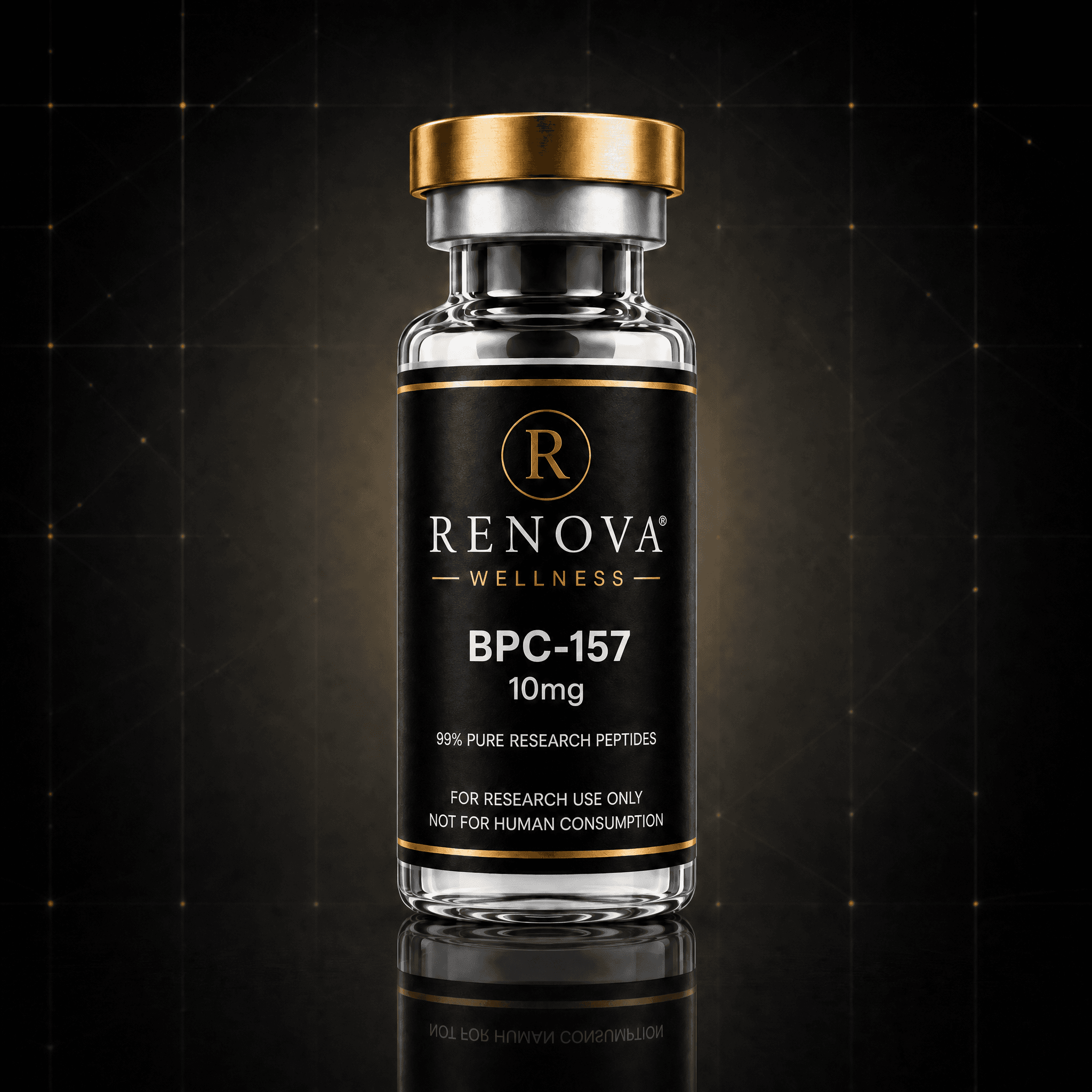
BPC-157 is one of the most widely studied compounds in the research-peptide space. This overview summarizes what BPC-157 is and what published laboratory and animal-model research has examined — strictly for research and educational reference.
What is BPC-157?
BPC-157 ("Body Protection Compound-157") is a synthetic pentadecapeptide — a peptide built from a chain of 15 amino acids (sequence GEPPPGKPADDAGLV) derived from a partial sequence of a protein found in gastric juice. It is notably stable in laboratory conditions, which is part of why it has been a frequent subject of preclinical study.
| Property | Detail |
|---|---|
| Type | Synthetic pentadecapeptide |
| Amino acids | 15 |
| Molecular formula | C₆₂H₉₈N₁₆O₂₂ |
| CAS number | 137525-51-0 |
What has the research examined?
Published research on BPC-157 has been conducted primarily in vitro and in animal models. Areas of study include:
- Tendon and ligament cell models — research has examined BPC-157's relationship to tendon fibroblast outgrowth, cell survival, and migration in cell-culture settings.1
- Angiogenesis pathways — studies have investigated its association with VEGFR2 signaling and blood-vessel formation in experimental models.2
- Gut and brain–gut axis — reviews have discussed BPC-157 in the context of gastrointestinal research and the brain–gut axis.3
These findings come from controlled laboratory and animal research and are presented here for scientific reference only.
How BPC-157 is studied in the laboratory
A recurring theme in the preclinical literature is that BPC-157 appears to modulate existing repair pathways rather than force a single target. Two threads stand out:
- Angiogenesis modulation, not brute-force stimulation. In muscle- and tendon-healing models, researchers reported no direct angiogenic effect on plain cell cultures; instead, immunohistochemical analysis using VEGF, CD34, and FVIII markers described adequately modulated angiogenesis in treated animals, associated with more organized healing than in controls.4
- Growth-hormone-receptor expression. In tendon-fibroblast studies, the growth-hormone receptor was among the most up-regulated genes following BPC-157 exposure, with expression rising in a dose- and time-dependent way at both the mRNA and protein levels — a proposed mechanism linking the peptide to tendon-cell outgrowth observed in culture.5
Both observations sit within cell-culture and animal work; they describe associations reported by investigators, not outcomes in humans.
Why "stable gastric pentadecapeptide"?
BPC-157 is routinely described in the literature as a stable gastric pentadecapeptide. Its reported stability in aqueous — and even acidic — conditions is one reason it has been a practical, repeatable subject for preclinical study, a property investigators often note when contrasting it with more fragile peptides. In the vial it is supplied lyophilized (freeze-dried) and reconstituted with bacteriostatic water for laboratory handling.
What the research does not establish
The published record on BPC-157 is overwhelmingly preclinical — cell cultures and animal models. Large, controlled human clinical-trial evidence is limited, and much of the enthusiasm around the compound outpaces the strength of the human data. Renova makes no human-use, safety, or efficacy claims of any kind; these citations are provided so researchers can locate and evaluate the primary literature for themselves. For the standards we apply to every lot, see Why Peptide Purity Matters.
Why purity matters in BPC-157 research
Because research outcomes depend on knowing exactly what's in the vial, third-party verification is essential. Every batch of Renova BPC-157 ships with a published Certificate of Analysis showing HPLC-verified purity and the labeled-vs-actual content for that lot. You can confirm any batch yourself with our Verify Your Vial tool.
Practical handling in research settings
Like the other lyophilized peptides in this catalog, BPC-157 ships freeze-dried and is reconstituted with bacteriostatic water before laboratory use, then refrigerated (2–8°C). Its reported stability is convenient at the bench, but reproducible research still depends on controlling the exact concentration in solution — a calculation our reconstitution guide and on-site calculator handle for any vial size, alongside the cold-chain practices in our storage guide. Researchers comparing compounds also weigh a peptide's half-life once reconstituted. A recurring point in the primary literature is that BPC-157's effects are described as modulatory — they show up in the context of an active repair process rather than as a stand-alone action — which is one reason investigators emphasize careful, controlled study designs. None of this is guidance for human or animal use; it describes handling of a research-only material.
Related research compounds
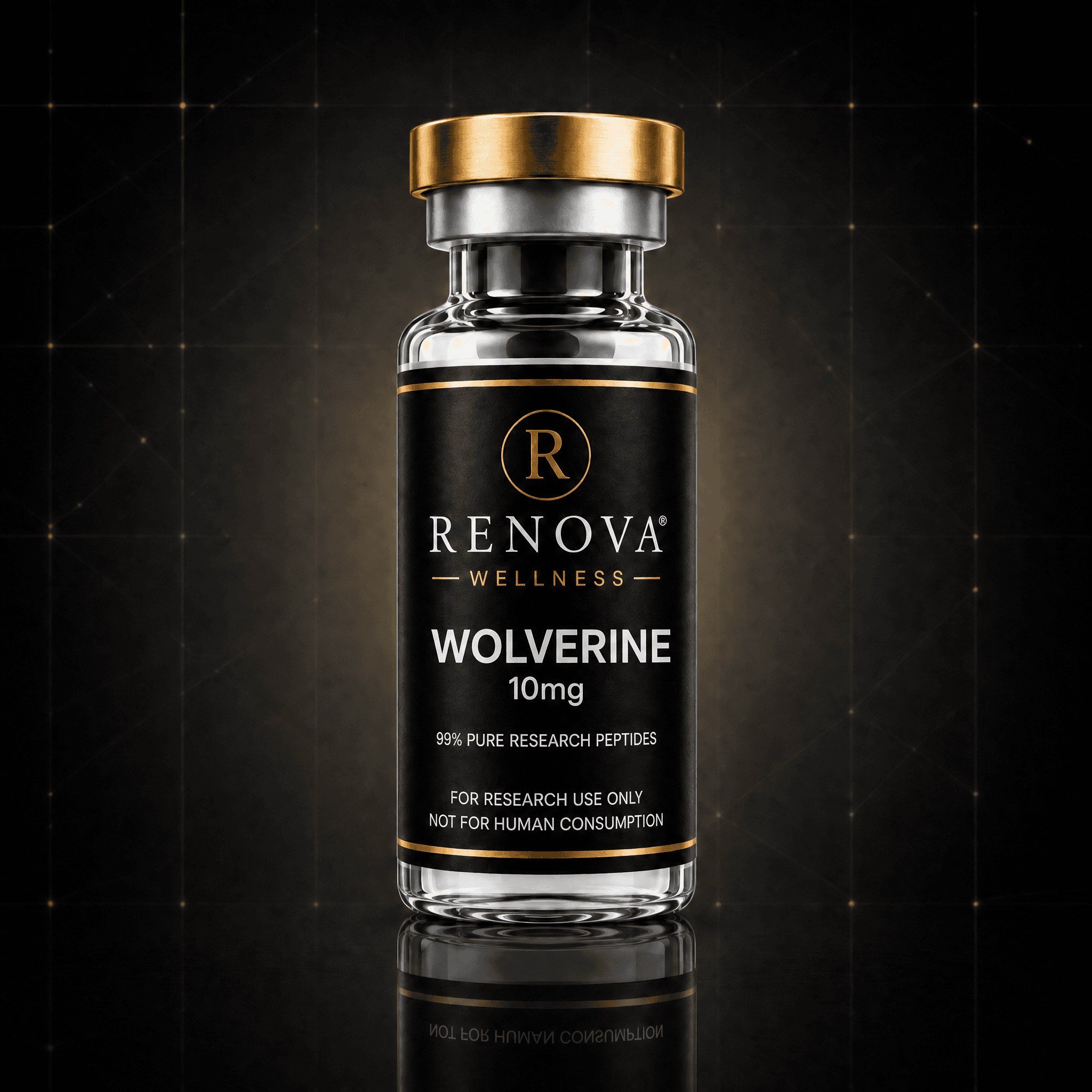
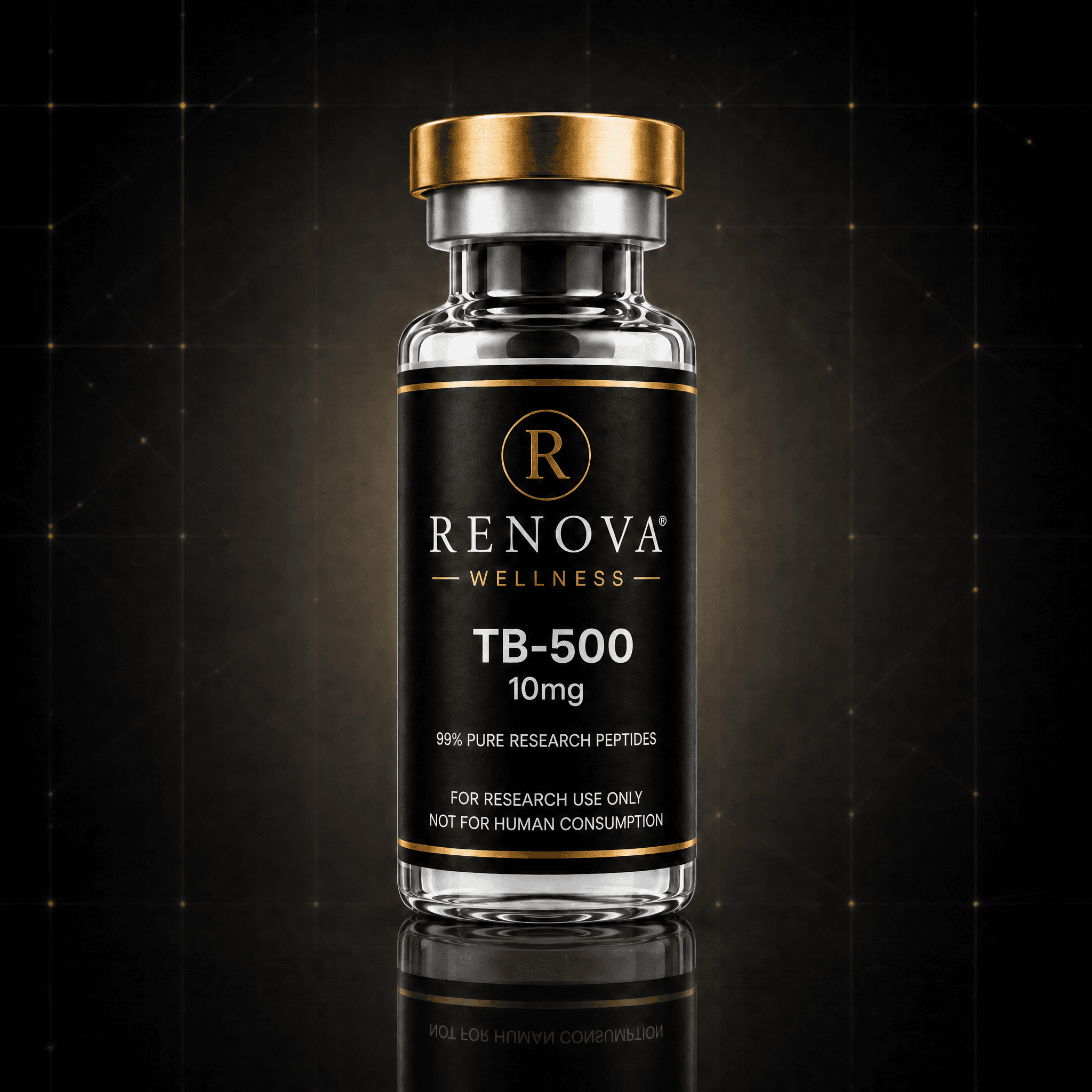
Researchers studying BPC-157 often also reference TB-500 and the combined "Wolverine" research blend — see the BPC-157 vs TB-500 comparison. Each product page carries per-batch COAs and compound data.
References
-
Chang C-H, et al. The promoting effect of pentadecapeptide BPC 157 on tendon healing. J Appl Physiol. 2011. PMID: 21030672. ↩
-
Hsieh M-J, et al. Therapeutic potential of pro-angiogenic BPC157. J Mol Med. 2017. PMID: 27847966. ↩
-
Sikiric P, et al. Brain-gut Axis and Pentadecapeptide BPC 157. Curr Neuropharmacol. 2016. PMID: 27138887. ↩
-
Brcic L, et al. Modulatory effect of gastric pentadecapeptide BPC 157 on angiogenesis in muscle and tendon healing. J Physiol Pharmacol. 2009;60 Suppl 7:191–196. PMID: 20388964. ↩
-
Chang C-H, et al. Pentadecapeptide BPC 157 enhances the growth hormone receptor expression in tendon fibroblasts. Molecules. 2014;19(11):19066–19077. PMID: 25415472. ↩
Questions
Frequently Asked
What is BPC-157?
BPC-157 is a synthetic pentadecapeptide (15 amino acids) derived from a protein found in gastric juice. It is one of the most studied compounds in animal-model research on tissue repair and angiogenesis (new blood-vessel formation).
What does the BPC-157 research show?
Published research is largely preclinical (cell and animal models) and examines BPC-157 in the context of tendon, ligament, muscle, and gut tissue repair. Human clinical evidence is limited, which we state plainly.
What is the Wolverine stack?
The Wolverine blend pairs BPC-157 with TB-500, the two most studied compounds in recovery-research programs. See our Wolverine guide for how the two are combined.
How is BPC-157 supplied and stored?
As a lyophilized (freeze-dried) powder, reconstituted with bacteriostatic water for laboratory use and refrigerated (2–8°C) after reconstitution. Every Renova lot ships with a per-batch third-party COA.
Related Compounds
Shop the Research
Compare
Related comparisons
Keep Reading
Related Research
For Research Use Only · Not For Human Consumption · Renova Wellness™