Compound Overviews
KPV: The Anti-Inflammatory Tripeptide — Research Overview
KPV is a small but heavily studied anti-inflammatory tripeptide derived from a larger signaling hormone. This overview is for laboratory and educational reference only.
What is KPV?
KPV (lysine-proline-valine) is the C-terminal tripeptide of α-MSH (alpha-melanocyte-stimulating hormone). Research studies it for retaining the anti-inflammatory activity of α-MSH without the pigmentation effects of the full-length hormone.1
Mechanism
KPV is studied for modulating inflammatory signaling pathways at the cellular level. Because it is small, research also examines its ability to reach intracellular targets in models of inflammation.
Research models
- Skin — models of psoriasis and eczema.
- Mucosa — models of colitis and gut inflammation.
- Wound healing — tissue-repair models.
All of these are laboratory/preclinical research contexts, not established uses.
Why KPV is in GLOW and KLOW
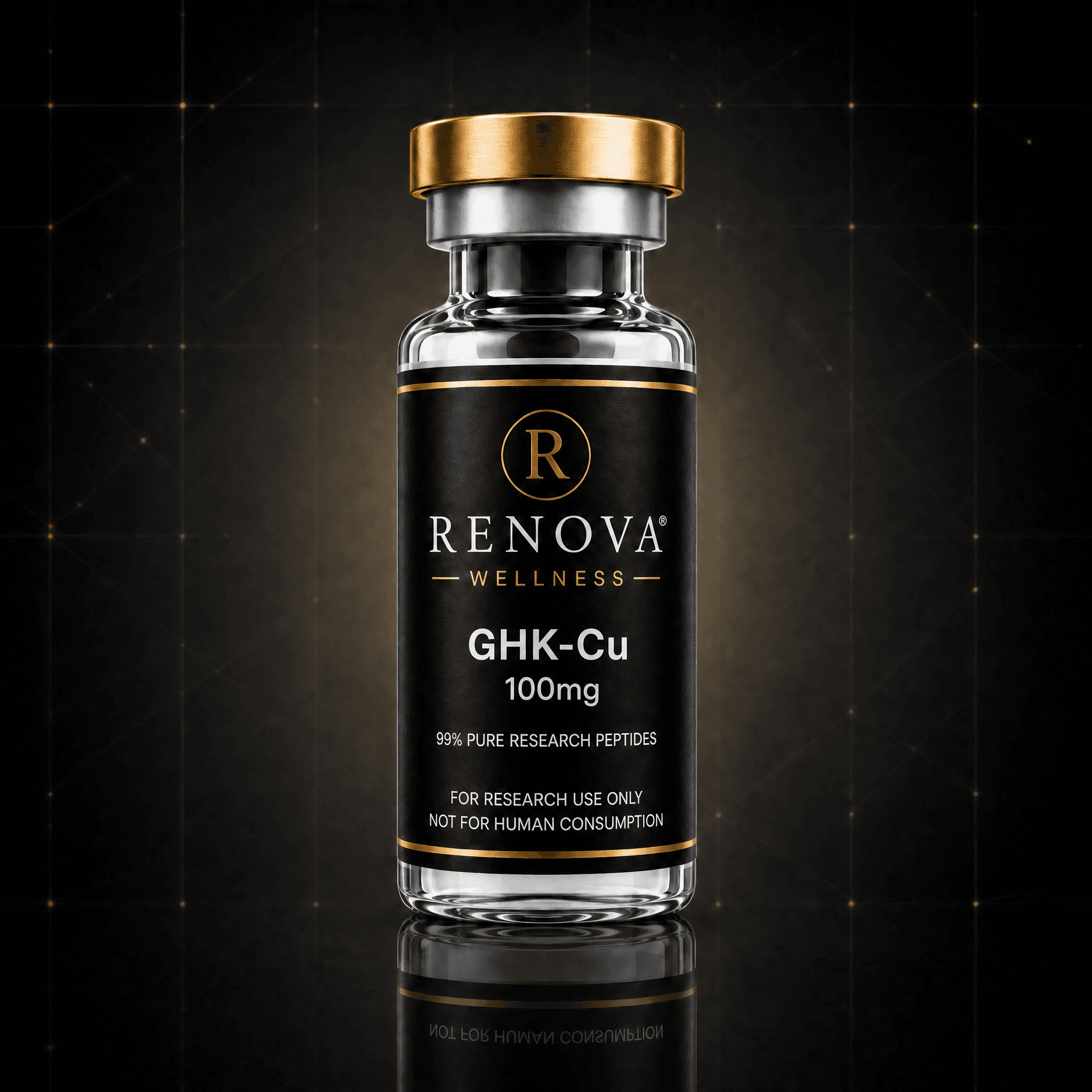
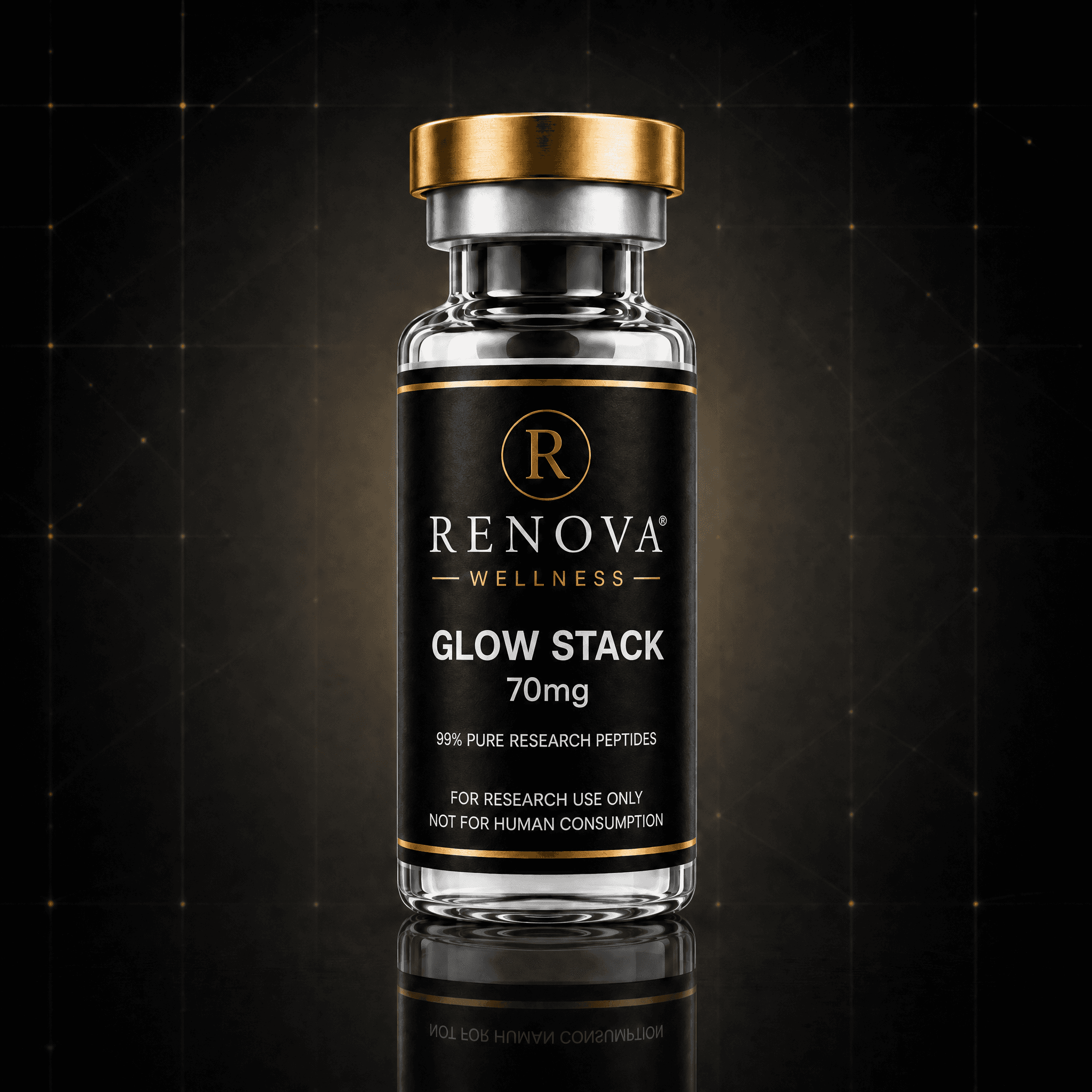
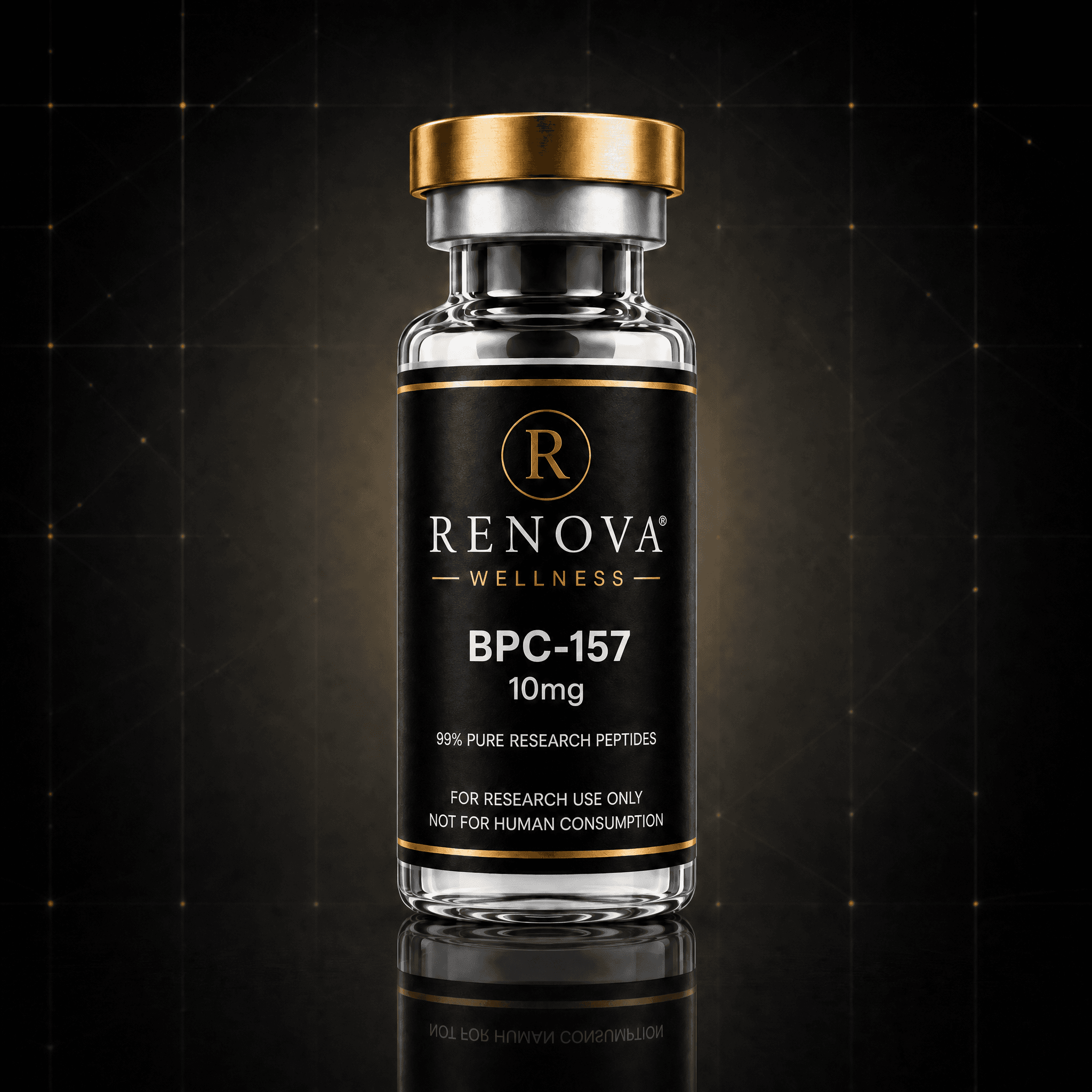
KPV is the anti-inflammatory component of the KLOW blend — which is the GLOW stack (BPC-157 + GHK-Cu + TB-500) plus KPV. See GLOW vs KLOW for how the components combine, and GHK-Cu for the regenerative arm.
Handling and reconstitution
Supplied as a lyophilized powder; reconstitute with bacteriostatic water for laboratory use and refrigerate (2–8°C). See Understanding Peptide Reconstitution and How to Store Research Peptides.
Verified purity
Renova material is third-party tested with a per-batch COA. See How to Read a Peptide COA and confirm any lot with Verify Your Vial.
References
-
Brzoska T, et al. α-Melanocyte-stimulating hormone and related tripeptides. Endocr Rev. 2008;29(5):581–602. ↩
Questions
Frequently Asked
What is KPV?
KPV is a tripeptide (lysine-proline-valine) corresponding to the C-terminal fragment of α-MSH (alpha-melanocyte-stimulating hormone). It is studied in research for anti-inflammatory activity without the pigmentation effects associated with full-length α-MSH.
What inflammation models has KPV been studied in?
Research has examined KPV in models of skin inflammation (such as psoriasis and eczema), mucosal inflammation (such as colitis), and wound healing. These are laboratory and preclinical contexts.
Why is KPV in GLOW and KLOW?
KLOW is the GLOW blend (BPC-157 + GHK-Cu + TB-500) with KPV added. KPV contributes the anti-inflammatory arm to the repair-and-regeneration profile those blends are studied for.
How is KPV supplied?
As a lyophilized powder reconstituted with bacteriostatic water for laboratory use and refrigerated (2–8°C) afterward. Renova material ships with a per-batch third-party COA.
Related Compounds
Shop the Research
Compare
Related comparisons
Keep Reading
Related Research
For Research Use Only · Not For Human Consumption · Renova Wellness™